


$55.99
TB-500 (Thymosin Beta-4) remains a highly researched peptide in the fields of regenerative biology and tissue repair. While early studies suggest promising biological activity, it is still not approved for medical use, and more human research is required to confirm its effects and safety.
Description
TB-500 (Thymosin Beta-4) 5mg – Research Overview, Uses, Mechanism & Recovery Support
Meta Description
- Learn about TB-500 (Thymosin Beta-4) 5mg, a research peptide studied for tissue repair, inflammation response, and recovery support. Explore mechanism, safety profile, and scientific background.
H1: TB-500 (Thymosin Beta-4) 5mg – Research Overview
TB-500, also known as Thymosin Beta-4, is a synthetic version of a naturally occurring peptide found in nearly all human and animal cells. It has been widely studied in research settings for its role in cellular repair, tissue regeneration, and inflammatory response regulation.
This page is intended for educational and research reference only, summarizing what is currently understood from scientific literature.
H2: What is TB-500 (Thymosin Beta-4)?
TB-500 is a peptide derived from Thymosin Beta-4, a protein involved in cell structure and healing processes. In research contexts, it is studied for its ability to influence how cells migrate, repair damaged tissue, and manage inflammation.
Unlike conventional medications, TB-500 is not approved as a drug for human treatment, and most of the available data comes from laboratory and animal studies.
H3: How TB-500 Works (Mechanism of Action)
TB-500 is believed to work through several biological pathways:
H4: Actin Regulation
It interacts with actin, a protein responsible for cell movement and structural integrity. This may support cellular migration during repair processes.
H4: Tissue Regeneration Support
Research suggests it may assist in the formation of new tissue in damaged areas by influencing cell growth behavior.
H4: Inflammation Modulation
Studies indicate potential effects on inflammatory markers, which may help regulate the body’s response to injury.
H4: Angiogenesis (Blood Vessel Formation)
Some research shows it may contribute to new blood vessel formation, which is important for delivering nutrients during healing.
H2: Research-Studied Applications of TB-500
H3: Muscle and Soft Tissue Recovery
TB-500 is often studied in models involving muscle strain, tendon injury, and connective tissue repair.
H3: Wound Healing Research
Scientific interest includes its potential role in accelerating closure and regeneration of damaged tissue.
H3: Inflammation-Related Studies
It is also examined for how it interacts with inflammatory pathways in controlled research environments.
H2: TB-500 5mg Dosage (Research Context Only)
In research literature, TB-500 dosing is not standardized for human use. Studies vary widely depending on model, delivery method, and research goals.
Common experimental formats include:
- Short-term loading phases
- Maintenance observation periods
- Tissue-specific testing protocols
⚠️ There is no medically approved dosing guideline for consumer or therapeutic use.
H2: Safety Profile and Limitations
TB-500 is still under investigation. Key points include:
- Not FDA-approved for medical use
- Limited human clinical trials
- Most evidence comes from preclinical research
- Long-term effects are not well established
Researchers emphasize caution due to insufficient large-scale human data.
H2: Scientific Interest in TB-500
Interest in TB-500 continues due to its potential role in:
H3: Regenerative Medicine
Exploring how peptides can assist tissue recovery at a cellular level.
H3: Sports Medicine Research
Studying recovery mechanisms in muscle and tendon repair models.
H3: Cellular Biology
Understanding how actin-binding proteins influence healing pathways.
H2: TB-500 vs Other Peptides (Research Comparison)
TB-500 is often compared in research contexts to other peptides involved in repair mechanisms, including those affecting growth factors and inflammation regulation. However, each compound has a distinct biological target and mechanism.
H2: Storage and Stability (Research Handling)
In laboratory settings, peptides like TB-500 are typically:
- Stored in cold, dry environments
- Reconstituted using sterile solutions (research only)
- Protected from light and heat degradation
H2: Frequently Asked Questions
H3: Is TB-500 approved for human use?
No, it is not approved for medical treatment.
H3: What is TB-500 used for in research?
It is studied for tissue repair, inflammation modulation, and cell migration.
H3: Is TB-500 a steroid or hormone?
No, it is a peptide fragment derived from a naturally occurring protein.
Related products
-
Sale!
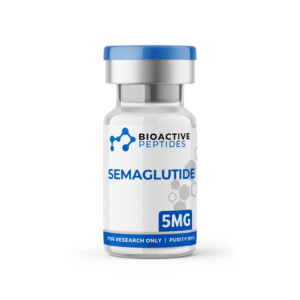
Semaglutide – 5mg
Original price was: $144.99.$139.99Current price is: $139.99. Add to cart -
Sale!
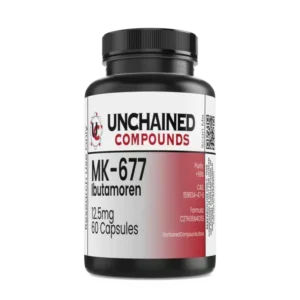
Buy MK-677
Original price was: $110.99.$98.99Current price is: $98.99. Add to cart -
Sale!
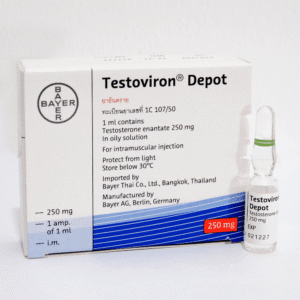
TESTOVIRON DEPOT 250 MG – Ampoule of 1ml Injection
Original price was: $79.99.$60.00Current price is: $60.00. Add to cart -

BD Ultrafine II Syringe 31G 1.0ml 8mm
$65.00 Add to cart