
$79.99

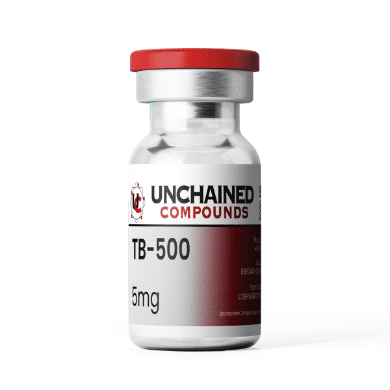
Thymosin Beta-4 is a 43 amino acid peptide sequence. In animal models, Thymosin Beta-4 has been shown to improve blood vessel growth, regulate wound healing, decrease inflammation, and reduce oxidative damage in the heart and central nervous system. Thymosin-beta-4 has a role in protection, tissue repair, regeneration and remodeling of injured or damaged tissues. It is also of active interest in anti-aging research.

Product Contains:  TB500 5MG
Description

BPC 157 TB500 Peptides – Complete Guide to Benefits, Dosage & Buying Options

BPC 157 TB500 peptides are among the most widely discussed compounds in the peptide research community. Frequently studied for their potential roles in tissue repair, recovery, and inflammation modulation, these peptides are often explored together in experimental settings.

This SEO-friendly guide explains what Peptides TB500 are, how they compare with BPC 157, potential benefits, dosage discussions, and what to consider before you buy TB500 peptides for research purposes.


What Are BPC 157 and TB500 Peptides?

BPC 157

BPC 157 (Body Protection Compound 157) is a synthetic peptide derived from a protective protein found in gastric juice. It has been studied in preclinical models for:

  • Tissue repair

  • Tendon and ligament recovery

  • Gastrointestinal protection

  • Angiogenesis (formation of new blood vessels)

TB500 (Thymosin Beta-4 Fragment)

Peptides TB500 are synthetic versions of a naturally occurring peptide known as Thymosin Beta-4. TB500 is commonly examined in research related to:

  • Muscle repair

  • Wound healing

  • Anti-inflammatory response

  • Cell migration support

Together, bpc157 tb500 peptides are frequently discussed as complementary compounds in recovery-focused research.

Note: These peptides are not FDA-approved for human consumption and are sold strictly for laboratory research purposes.


TB500 Peptide Benefits (Research Context)

When discussing tb500 peptide benefits, most information comes from animal studies and laboratory experiments.

Potential research areas include:

1. Tissue Repair Support

TB500 has been studied for its ability to promote actin regulation, which plays a key role in cell structure and movement.

2. Muscle Recovery Research

In experimental models, TB500 may assist in muscle regeneration after injury.

3. Anti-Inflammatory Properties

Some research suggests TB500 may help modulate inflammatory responses.

4. Enhanced Flexibility & Mobility (Preclinical Observations)

Animal models have shown improved range of motion in injury studies.

It’s important to rely on peer-reviewed research rather than anecdotal claims.


TB500 Peptide Dosage & Dosing (Research Use Only)

Searches for tb500 peptide dosage and tb500 peptide dosing are common, especially in online forums. However, dosage discussions should only apply to controlled laboratory research environments.

In research settings:

  • Dosage varies depending on study design and biological model.

  • Loading phases may be explored in some experimental protocols.

  • Maintenance dosing strategies differ based on research objectives.

Accurate measurement and sterile handling procedures are essential in peptide research.

Never rely solely on anecdotal sources when determining dosing parameters.


BPC 157 TB500 Peptides – Why Are They Studied Together?

The combination of bpc157 tb500 peptides is frequently discussed in experimental communities because:

  • BPC 157 is often associated with localized tissue repair research.

  • TB500 is studied for broader systemic recovery support.

  • Some research models explore potential synergistic effects.

While stacking discussions are common online, controlled studies are necessary to validate combined effects.


TB500 Peptide Before and After – Are Claims Reliable?

Searches for tb500 peptide before and after often lead to anecdotal transformation posts and recovery stories shared online.

Common claims include:

  • Faster recovery from tendon injuries

  • Reduced inflammation

  • Improved muscle healing

However, before-and-after comparisons should be interpreted cautiously. Visual results do not replace clinical data or controlled studies.

Scientific evidence and laboratory validation remain the gold standard.


How to Buy TB500 Peptides Safely

If you’re looking to buy tb500 peptides, choosing a reputable supplier is critical.

Here’s what to look for:

1. Third-Party Lab Testing

Always verify that the product includes a Certificate of Analysis (COA) confirming purity and identity.

2. Proper Labeling

The product should clearly list:

  • Peptide name (TB500 or Thymosin Beta-4 fragment)

  • Vial size (e.g., 5mg, 10mg)

  • Batch number

  • Expiration date

3. Research-Only Disclaimer

Legitimate suppliers clearly state the product is not for human consumption.

4. Secure Payment & Shipping

Professional vendors use encrypted checkout systems and discreet packaging.


Pricing Factors for Peptides TB500

The cost of Peptides TB500 varies depending on:

  • Purity standards

  • Manufacturing processes

  • Testing documentation

  • Supplier reputation

While lower prices may seem attractive, verified quality and purity are essential for accurate research outcomes.


Important Safety Considerations

Before working with bpc 157 tb500 peptides, remember:

  • They are investigational compounds.

  • Long-term human safety data is limited.

  • Proper sterile technique is mandatory in laboratory handling.

  • Regulatory status may vary by region.

Always follow research guidelines and institutional policies when handling peptides.


BPC 157 TB500 peptides continue to generate significant interest in tissue repair and recovery research. While tb500 peptide benefits and anecdotal tb500 peptide before and after stories are widely discussed online, responsible research requires verified data and controlled study conditions.

If you plan to buy tb500 peptides, prioritize third-party lab testing, supplier transparency, and strict research-use compliance.

Leave A comment