

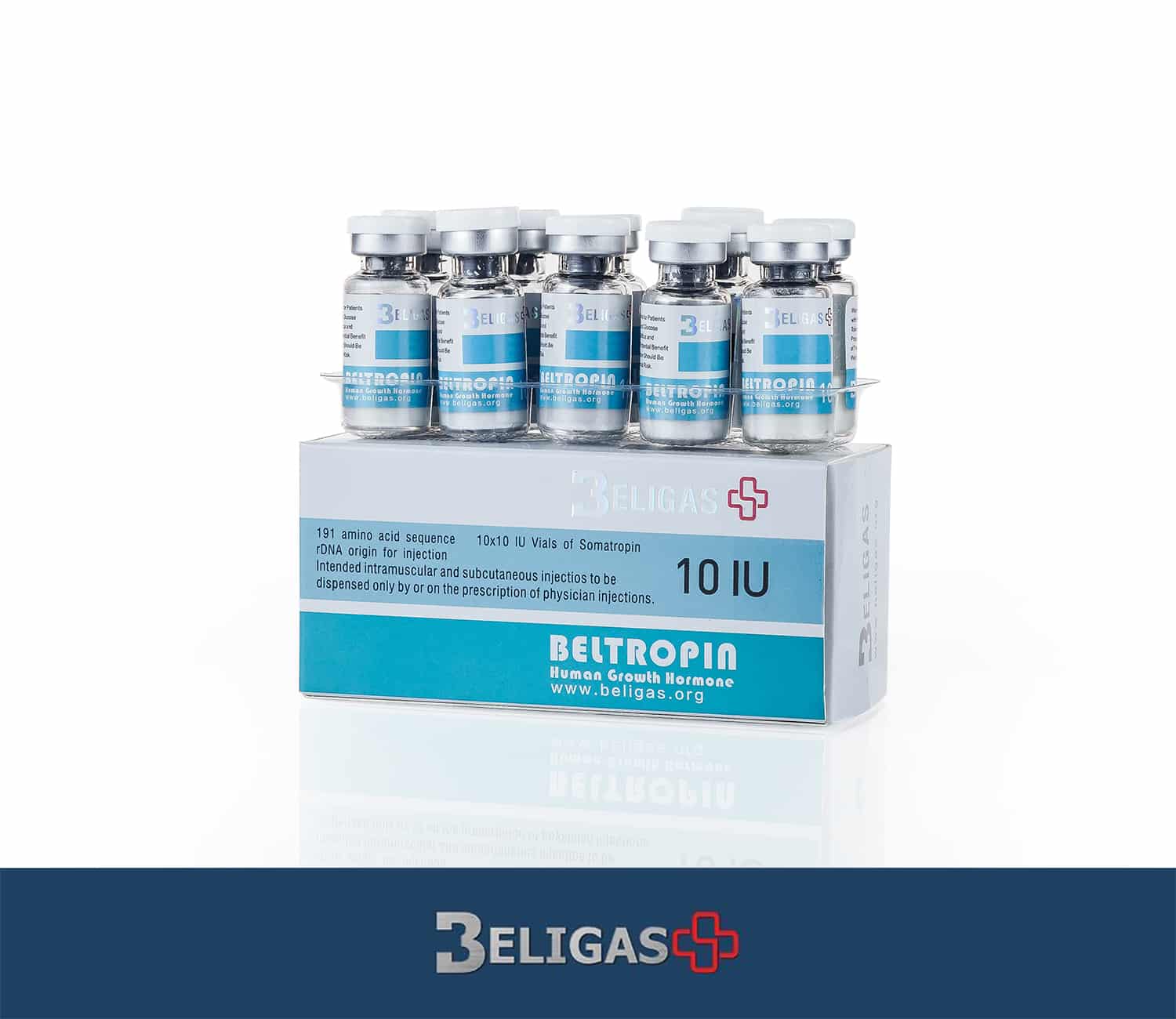
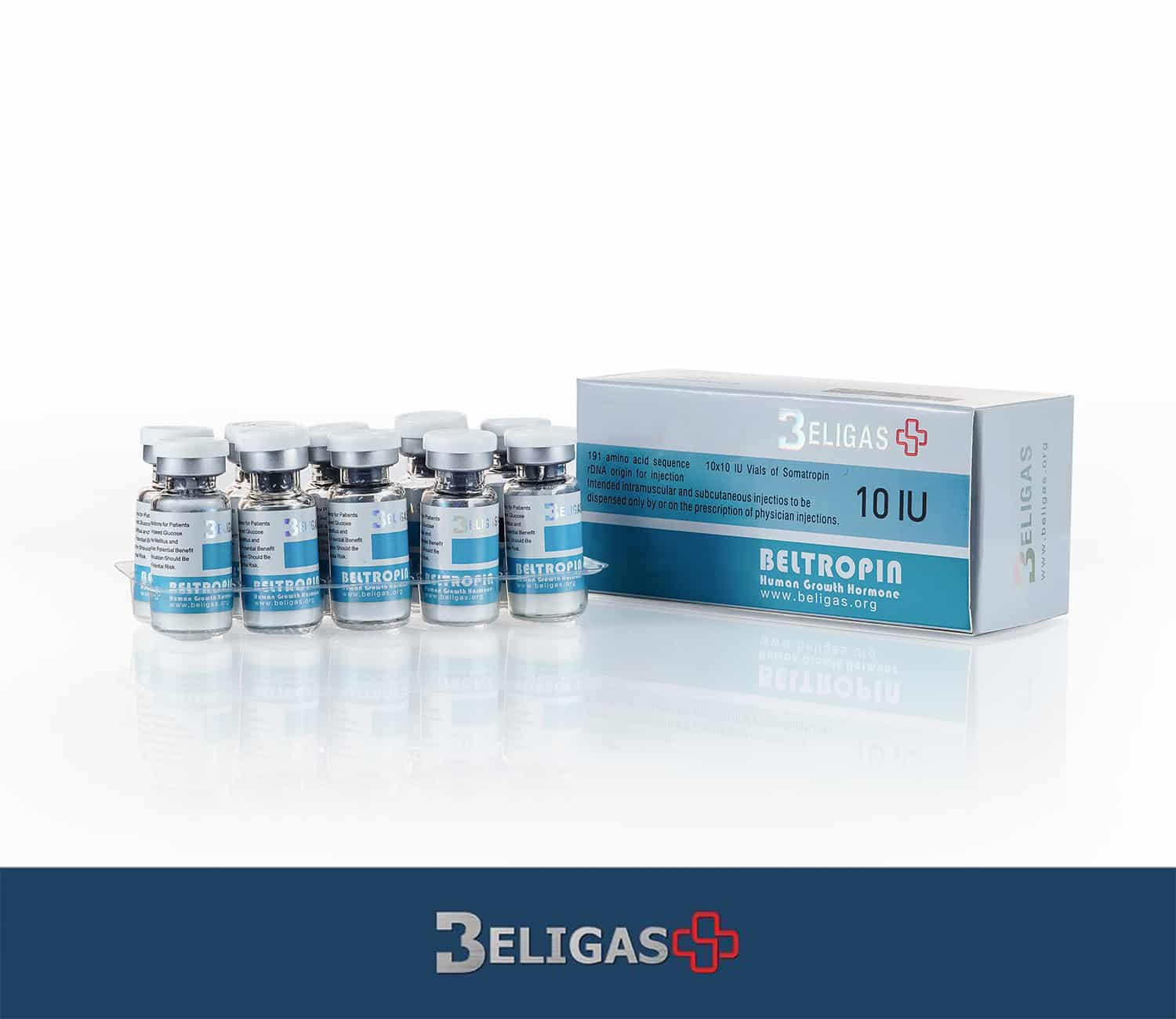
$145.00
Learn what Human Growth Hormone (HGH) 100IU is, how it works in the body, medical uses, risks, and safety guidelines. Educational guide on HGH therapy and endocrine health.
Description
Human Growth Hormone (HGH) 100IU – Educational Overview
What is Human Growth Hormone (HGH)?
Human Growth Hormone (HGH) is a naturally occurring peptide hormone produced by the pituitary gland in the brain. It plays a key role in growth, metabolism, cell repair, and overall body composition.
Medically, synthetic HGH is used under strict prescription to treat conditions such as growth hormone deficiency, certain genetic disorders in children, and muscle-wasting diseases.
It is important to understand that HGH is a regulated prescription medication, not a general wellness supplement.
How HGH Works in the Human Body
HGH works by stimulating the liver and other tissues to produce Insulin-like Growth Factor 1 (IGF-1), which is responsible for many of its growth and metabolic effects.
HGH and Growth Regulation
HGH influences bone growth, tissue regeneration, and cellular repair, especially during childhood and adolescence.
HGH and Metabolism
It affects how the body uses fat, protein, and carbohydrates, helping regulate energy balance.
HGH and Recovery
HGH is involved in tissue repair processes, which is why it is studied in injury recovery and muscle preservation contexts.
H2: Medical Uses of HGH (Approved Applications)
HGH is prescribed by licensed healthcare professionals for:
Growth Hormone Deficiency (GHD)
Used in both children and adults who produce insufficient natural HGH.
Turner Syndrome
A genetic condition affecting female development and growth.
Chronic Kidney Disease in Children
Supports growth delays caused by long-term illness.
Muscle-Wasting Conditions
Sometimes used in specific cases under strict medical supervision.
Important Safety and Legal Information
HGH is classified as a controlled prescription medication in many countries, including the United States.
Prescription Requirement
It can only be legally obtained with a doctor’s prescription.
Misuse Risks
Non-medical use can lead to side effects such as:
- Joint pain
- Fluid retention
- Insulin resistance
- Hormonal imbalance
- Potential long-term metabolic issues
Medical Supervision Required
All HGH use must be monitored through blood work and clinical evaluation.
HGH 100IU – Understanding the Dosage Label
“100IU” refers to the total international units in a vial or kit, not a recommended dosage.
What IU Means?
IU (International Unit) measures biological activity, not weight or volume.
Why Dosage Varies
Actual prescribed dosage depends on:
- Age
- Medical condition
- Blood IGF-1 levels
- Treatment goals
Potential Effects of HGH (Clinical Context Only)
Under medical supervision, HGH therapy may help:
Growth Support in Deficiency Cases
Restores normal growth patterns in children with deficiency.
Body Composition Changes
May improve lean mass and reduce fat in deficient adults.
Bone Density Support
Can contribute to bone strength over long-term therapy.
Side Effects and Risks of HGH Therapy
Even when prescribed, HGH can cause side effects.
Common Side Effects
- Swelling in hands and feet
- Joint stiffness
- Muscle pain
Metabolic Effects
- Reduced insulin sensitivity in some cases
- Blood sugar changes
Long-Term Concerns
Improper use may increase health risks, which is why monitoring is essential.
Who Should Avoid HGH Use
HGH is not suitable for individuals with:
Active Cancer
May stimulate unwanted cell growth.
H3: Severe Illness Without Medical Supervision
Can worsen metabolic instability.
Unconfirmed Hormone Levels
Use without diagnosis is not medically recommended.
HGH and Performance Enhancement Claims
While HGH is sometimes discussed in fitness and bodybuilding contexts, its non-medical use is not approved and carries significant risks.
Important Clarification
Any performance-related use is outside medical guidelines and should be evaluated carefully from a health and legal perspective.
Key Terms Related to HGH (Informational SEO Keywords)
HGH hormone function, human growth hormone explanation, IGF-1 role in body, pituitary gland hormone, growth hormone deficiency symptoms, synthetic HGH medical use, HGH therapy overview, hormone replacement therapy basics, endocrine system regulation, protein metabolism hormone, fat metabolism regulation hormone, HGH side effects explained, HGH benefits and risks, growth hormone treatment guide, endocrinology hormone therapy
Frequently Asked Questions (FAQ)
Is HGH legal?
Yes, but only with a prescription from a licensed medical provider.
What does 100IU HGH mean?
It refers to total hormone quantity in a vial, not a fixed dose.
Is HGH safe?
It is safe when medically prescribed and monitored, but unsafe when misused.
Can HGH build muscle?
It plays a role in tissue growth, but outcomes depend on medical context and individual health.
Related products
-
Sale!
Body Protective Compound (BPC-157) – 500mcg
Original price was: $150.00.$130.00Current price is: $130.00. Add to cart -
Arimidex® 1mg
Read more -
Sale!
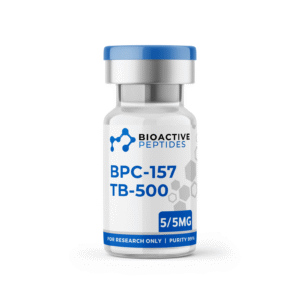
BPC-157 & TB-500 Blend (10mg)
Original price was: $99.99.$83.99Current price is: $83.99. Add to cart -
Sale!
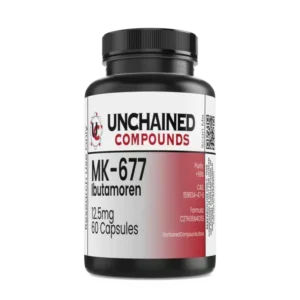
Buy MK-677
Original price was: $110.99.$98.99Current price is: $98.99. Add to cart